Prayer of Marrano Women | Portugal, 16th century
word of inspiration: Finding
After a period of spiritual and cultural prosperity in Spanish Jewry, darkness fell. The royal decree of Ferdinand and Isabella (1492) prohibited the practice of the Jewish faith and led to expulsion, persecution and severe decrees.
Many Jews fled Spain and thousands sought refuge in Portugal. Four years later, in 1496, King Manuel I forced both the longstanding Jews of Portugal and the refugees to convert. This was a forced conversion, accompanied by deception and fraud. The Jews were forced to live with a dual identity: Christians outwardly, Jews in secret.
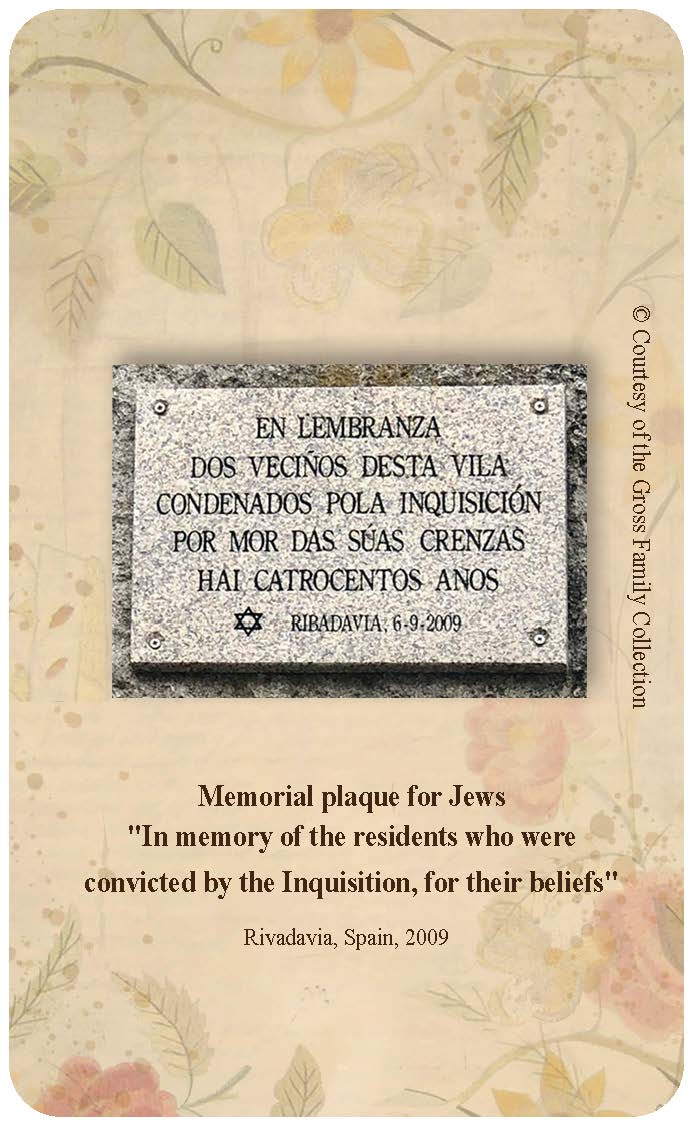
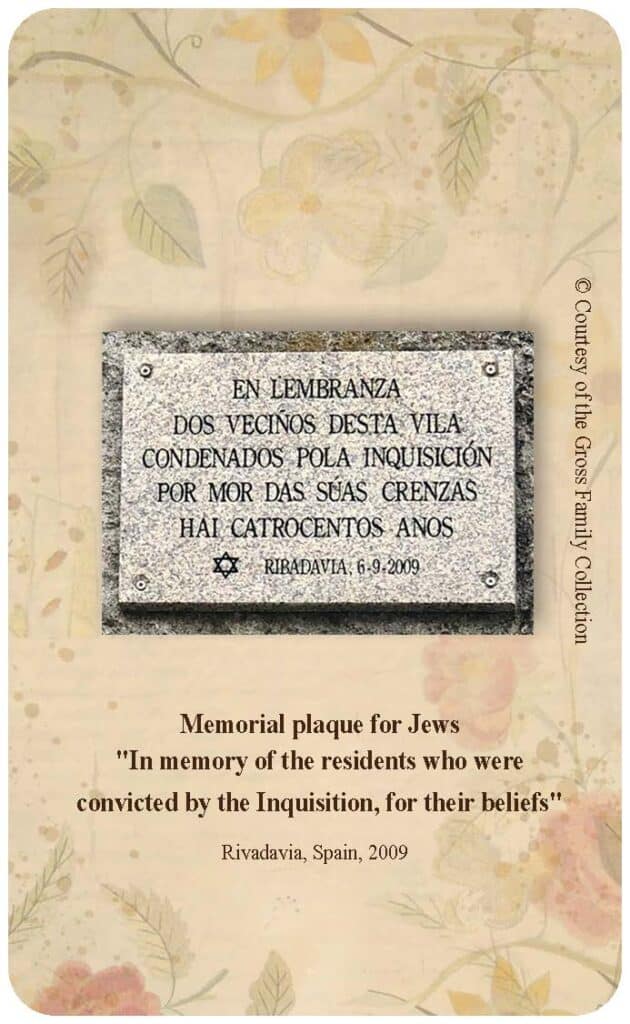
The Inquisition, the interrogative institution of the Catholic Church, acted with a heavy hand, instilled constant fear and brutally persecuted any expression of Judaism. In the communities of the Marrano, women stood out. The circumstances of life in the Iberian Peninsula in the late 15th and 16th centuries pushed the observance of commandments from the public communal space into the secrecy of the home.
The women were the keepers of the Jewish flame and held a unique role in passing on the tradition to future generations. Behind closed walls, they lit candles behind shuttered windows, whispered prayers, kept customs and traditions and passed on memories from mother to daughter. Over the years, the knowledge gradually diminished, but the adherence to customs remained.
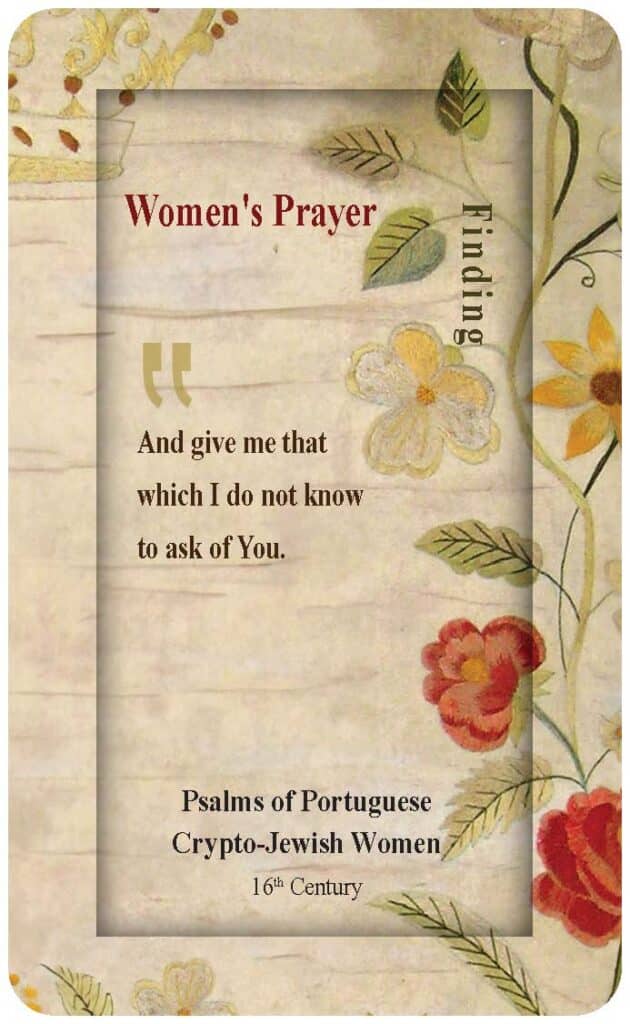
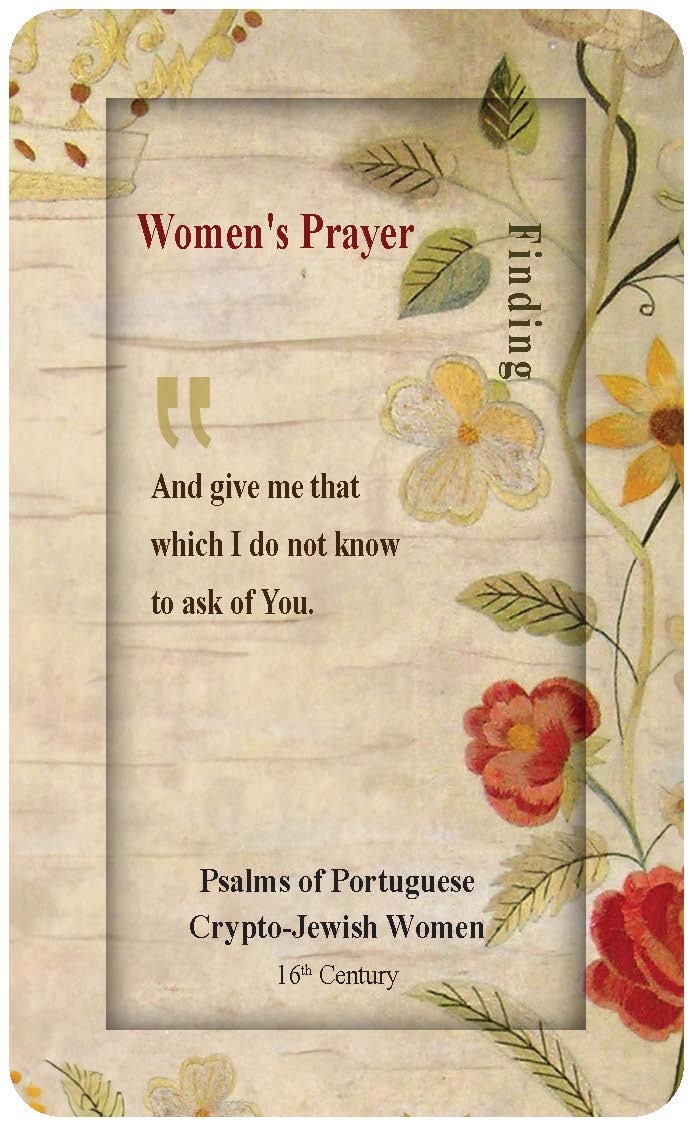
Testimonies collected in the early 20th century by Samuel Schwartz, a Jewish engineer from Poland who operated in Portugal, uncovered groups of descendants of Marrano, who carried within them fragments of customs and prayers without knowing their source, but with a deep inner sense of belonging.This card echoes a faint yet powerful voice of a hidden feminine prayer: “And grant me that which I do not know how to ask of You…” A prayer of trust that there is Someone who listens even when there are no words.