Share:

Facebook
LinkedIn
WhatsApp

The Custom of the Night of the Fish

The Night of the Fish: The Custom Grandma Claudine Remembered from Tunis

Sometimes, all that remains from a grandmother is a small story.
Not a written prayer, not an ancient machzor, and not an archival document.
Only a memory of a single moment, funny and slightly strange, which she continued to tell even decades after it happened.

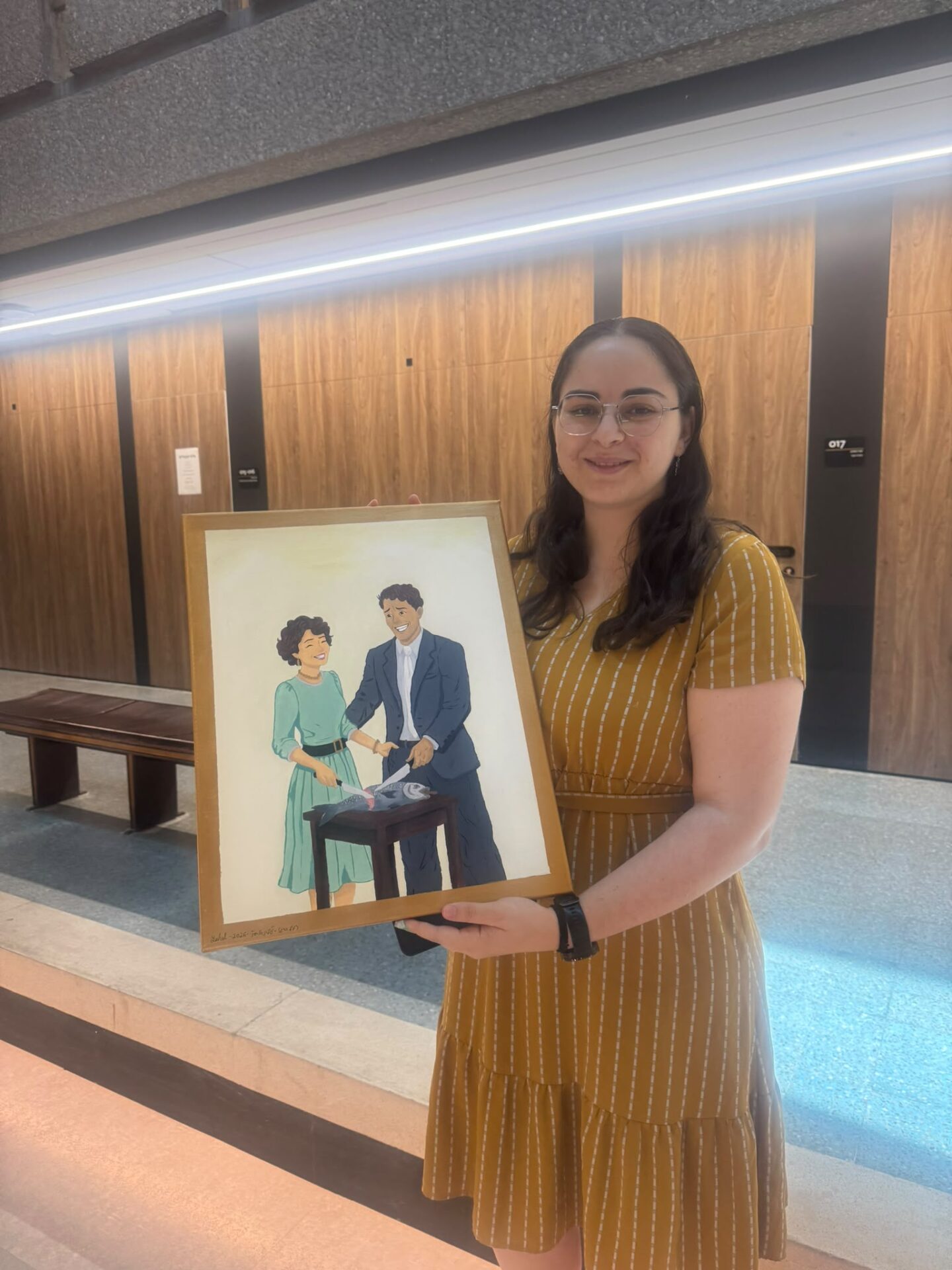
This is how the story of “Lilat al-Hout”, the Night of the Fish, reached Yahal Ben Arieh,
a wedding custom preserved in her family whose origins are in the Jewish community of Tunis.

“I was exposed to it by chance, during a conversation with my late grandmother and my cousin,” Yahal shares. At that time, her grandmother already had difficulty speaking fluently,
but when asked to tell the story of the “Night of the Fish” again, she managed to convey the essence of the custom, and Yahal managed to document her in a video.

So what was the Night of the Fish?

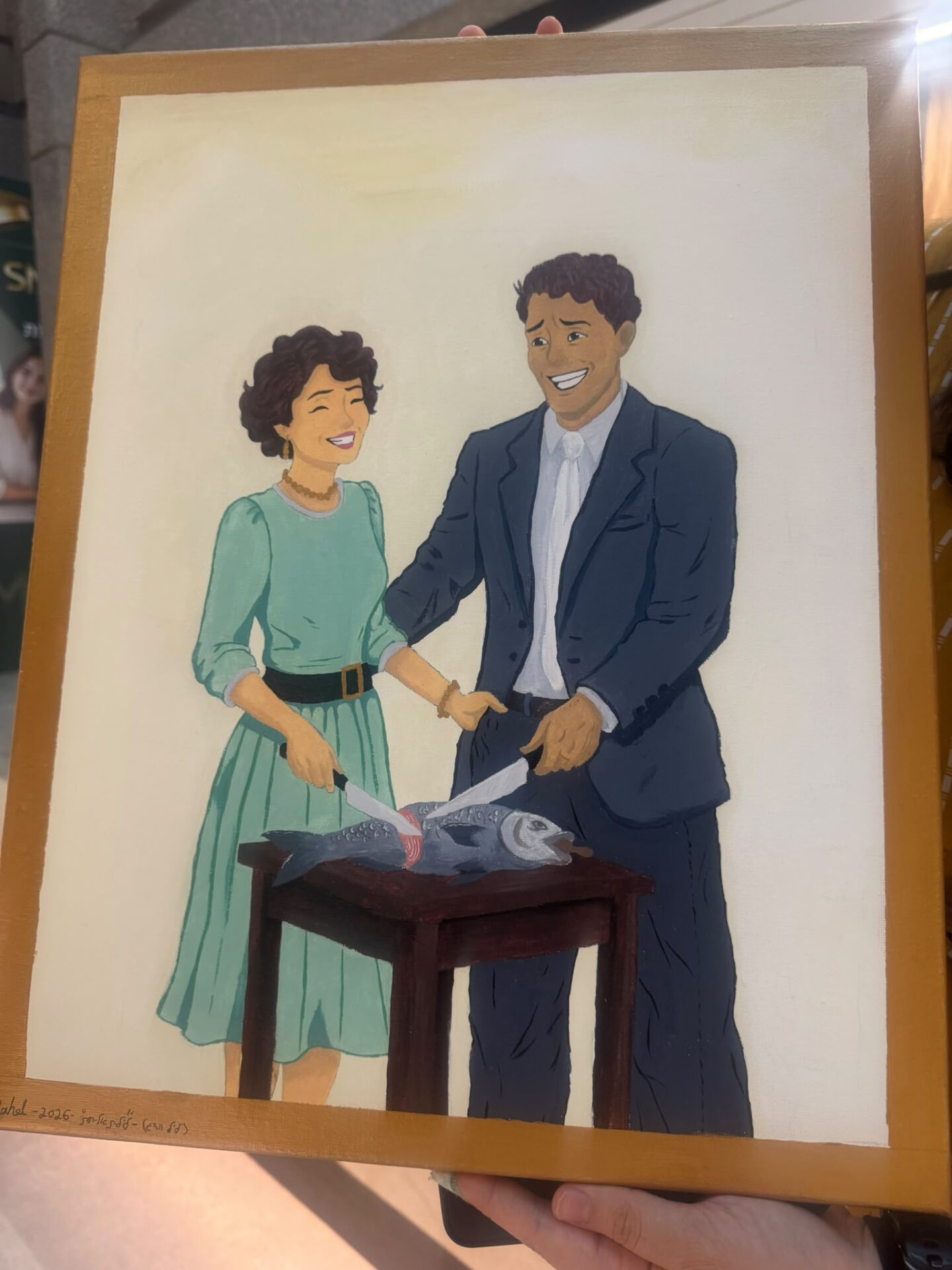
According to the tradition Yahal documented in her family, a few days after the wedding,
the family gathered in the couple’s new home. The women prepared an uncooked fish and placed it on a tray. Yahal’s grandmother recounted that when the groom arrived,
she gently held the fabric of his trousers so that he “would not run away,”
and handed him a knife to cut the fish. However, a piece of wood, or a sort of small rolling pin,
was hidden inside the fish in advance, which prevented him from completing the cut.

Later, when Yahal interviewed her grandfather as well, he remembered a slightly different version: both the groom and the bride tried to cut the fish. The piece of wood was hidden only on the side where the groom cut, so he failed while the bride succeeded.

Everyone knew in advance what was going to happen, and laughed.
But behind the family prank hid a message. When Yahal asked her grandfather what the meaning of the custom was, he explained that its purpose was to give the bride a sense
of security and strength upon entering the new home and to show her that her place in it is guaranteed. In his words: “To show the superiority of the woman in her own home.”

The women in the family are the ones who prepare the ceremony, hide the piece of wood, create the moment where the bride “wins,” and surround her with laughter and family specifically during the first, unfamiliar days of her life as a married woman.

As Yahal writes in her work, not all of women’s ceremonial and traditional life took place
in the synagogue or within the framework of formal prayer. The home, the family, and life events were also spaces where women passed down blessings, hopes, messages, and knowledge from generation to generation.

About Us | Women's Prayer Project

The “Women’s Prayer” project began two decades ago as a book that documented and collected Jewish women’s prayers throughout history. The book, which became a bestseller, revealed an entire world that had almost disappeared from our sight – a breathing and vibrant Jewish-feminine space that reflects a Jewish life story that was almost never told through conventional historical tools.

Today, marking 20 years since the book’s publication, we are proud to expand the project to a new format of prayer cards, combining the ancient prayers together with images from a stunning Judaica collection (courtesy of the William Gross Collection, photography: Arnon Barmucha).

The cards are intended for daily use, personal contemplation, family ceremonies and community activities – they invite us to return and reconnect with the rich feminine tradition that passed from mother to daughter throughout the generations.

Our Books

Women’s Prayer Cards (Tefilat Nashim) We use cookies to ensure the website functions properly and improve user experience. You can choose which types of cookies to enable.
Cookie Selection


Join us for women's prayer

A connection to the Jewish story through women’s voices
Join to receive sources, prayers, rituals and stories from the Jewish female tradition.