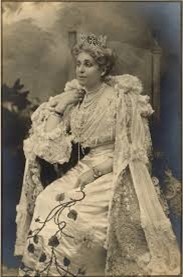
Over one hundred years ago, in 1924, Flora Farha Sassoon stood at the podium of London’s Jews’ College and did something no woman had done before: she gave the main address at Speech Day, presiding over an event that had always been led by men.
With her characteristic combination of humility, sharp wit, and deep Torah knowledge, she named the “elephant in the room,” compared her appearance to the rare ketoret in K eritut 6b, and then turned the moment into a dvar Torah about the crown of learning and the lifelong obligation of serious Jewish study.
According to Cecil Roth, Flora Farha Sassoon walked like a queen and learned like a sage
and entertained like an oriental potentate, yet her deepest power, in my eyes,
lay in how she wove Torah, leadership, and everyday mitzvot into one seamless life.
Born in 1859 into the vibrant Baghdadi Jewish world of Bombay, the eldest of twelve children
in the Sassoon Gubbay network sometimes called “the Rothschilds of the East,”
she inherited both material privilege and a profound sense of responsibility for Torah, community, and tzedakah.
Her family carried the memory of Baghdad of treasurers to the Pasha and forced migration under Dawud Pasha into the bustling imperial port of Bombay, where Jewish merchants were building global trade routes and new communal institutions.