Share:

Facebook
LinkedIn
WhatsApp

Fanny Neuda

Fanny Neuda

When women seldom came to synagogue,
with leadership ability and charisma she opened a gateway for them.
When the Hebrew language grew distant from the language of the heart,
Fanny gave words to the feminine prayer.

Fanny Neuda was born in the town of Lomnice in Moravia into a rabbinic family,
and was educated within the worlds of holiness and Hebrew and the worlds
of German literature.

In an era when many women no longer mastered Hebrew and did not wish to pray in Yiddish,
a quiet longing grew within them for personal and comprehensible prayer.

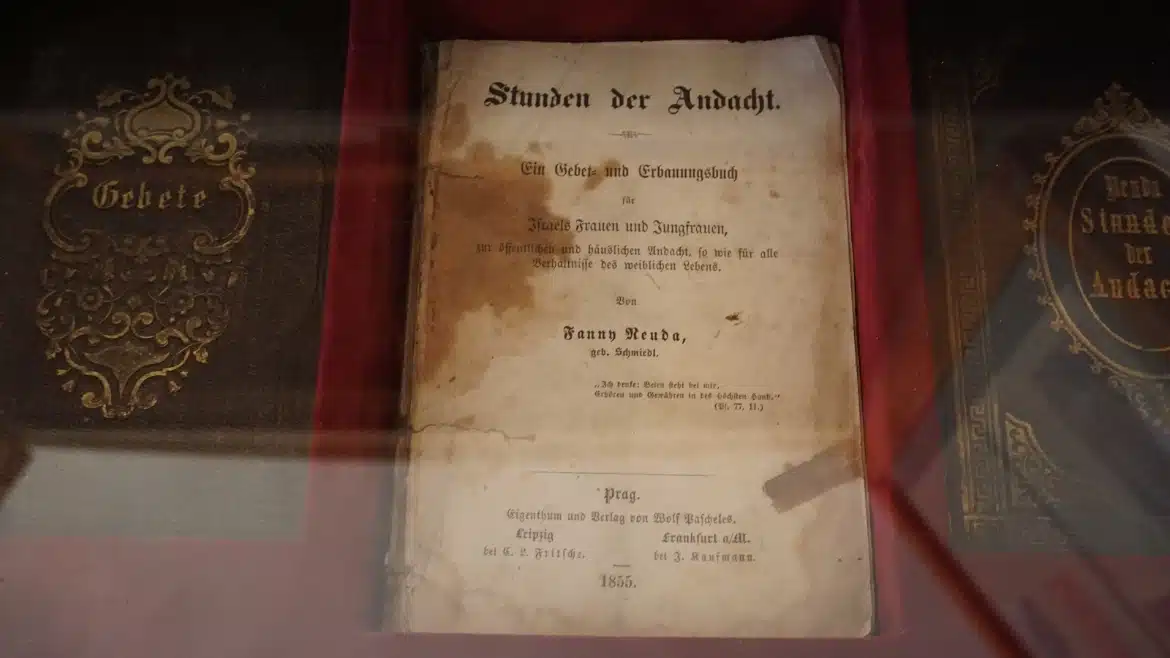
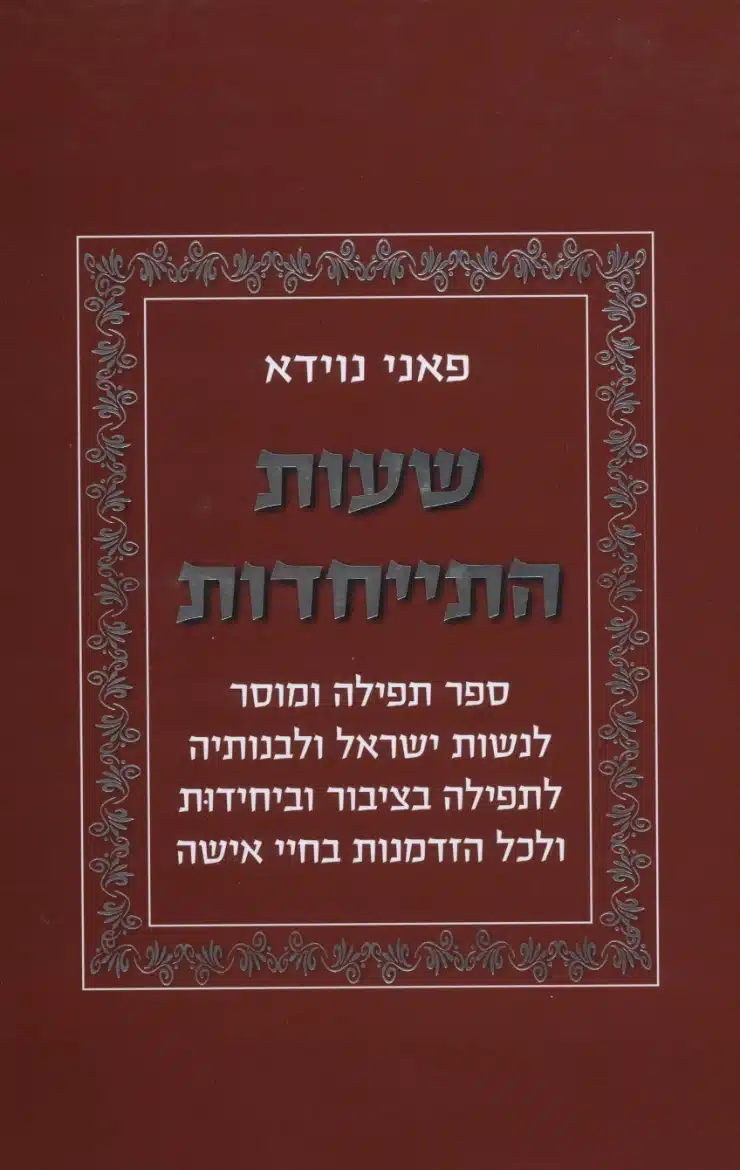
Fanny responded to this longing. In 1855, Rebbetzin Neuda published in Prague the book
Hours of Devotion. A book of prayer and ethics for the women of Israel and their daughters,
for prayer in community and in solitude, and for every occasion in a woman’s life.
This was the first prayer book written in German, by a woman and for women and girls.

The book was written in a wise, delicate, and profound language and strummed the strings
of a woman’s inner world. It did not suffice with prayers for Sabbath and festival,
but included personal prayers for entire cycles of life.
From the birth of a daughter to a son’s departure to the army, from bat mitzvah,
prayers for pain, for loss, for partnership, for love,
and for longing for a new dawn.

Hours of Devotion became a bestseller. It was printed in dozens of editions,
translated into Yiddish, into English, and in recent years I merited to publish it in Hebrew.
Women passed it down from generation to generation.
Testimonies I collected show that even in the Holocaust women took it
with them to ghettos and camps, as if to say:
“Even when everything is taken, prayer remains.”

To purchase the book by Fanny Neuda Hours of Devotion


A Personal Journey in the Footsteps of Fanny Neuda

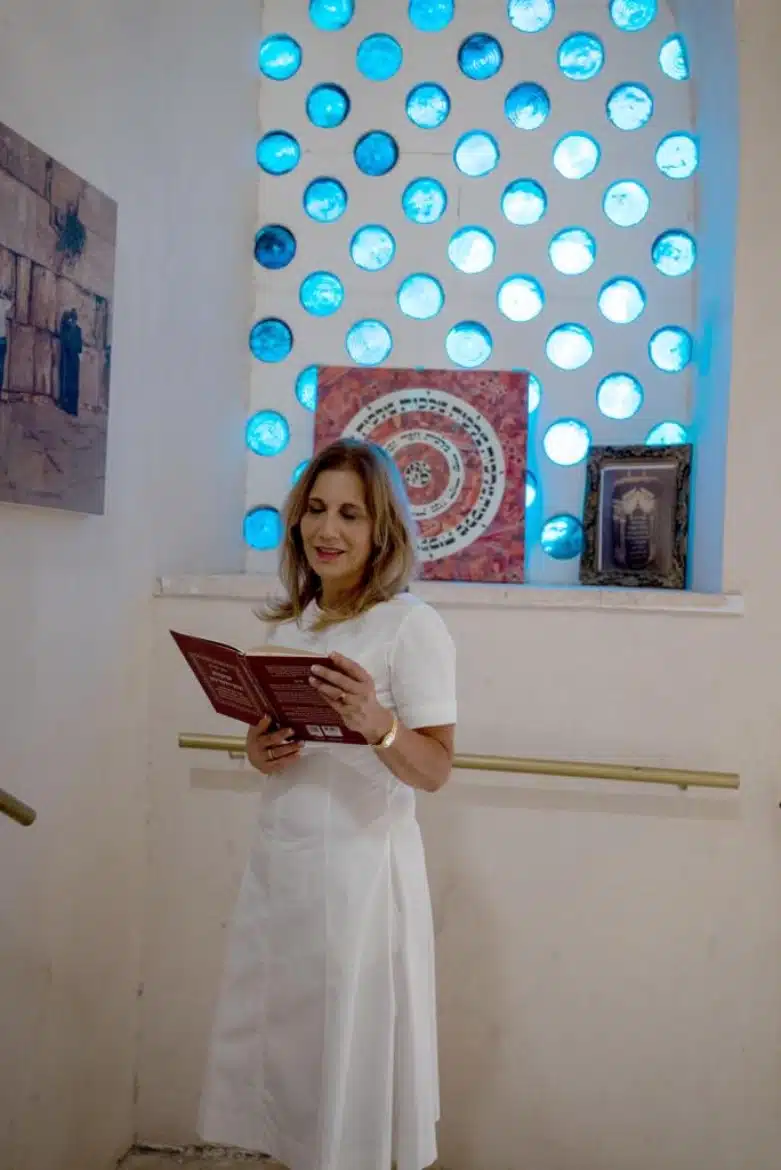
Since I returned the prayer book Hours of Devotion in the Hebrew language
to the Jewish bookshelf in 2014, I have witnessed again and again the book’s rare power. Women and men share with excitement about encountering Fanny’s words and about
the language that restored to them the ability to pray and to connect to prayer.

For ten years I dedicated myself to researching Fanny’s life and to restoring her creation.
I studied her life, collected editions, traveled among archives around the world,
gathered testimonies, visited her village and the synagogue destroyed
by the Nazis immediately after they deported the town’s Jews
to the concentration camp Bergen-Belsen. And I promised myself,
for my fiftieth birthday, to bring her voice back to the center of the stage.

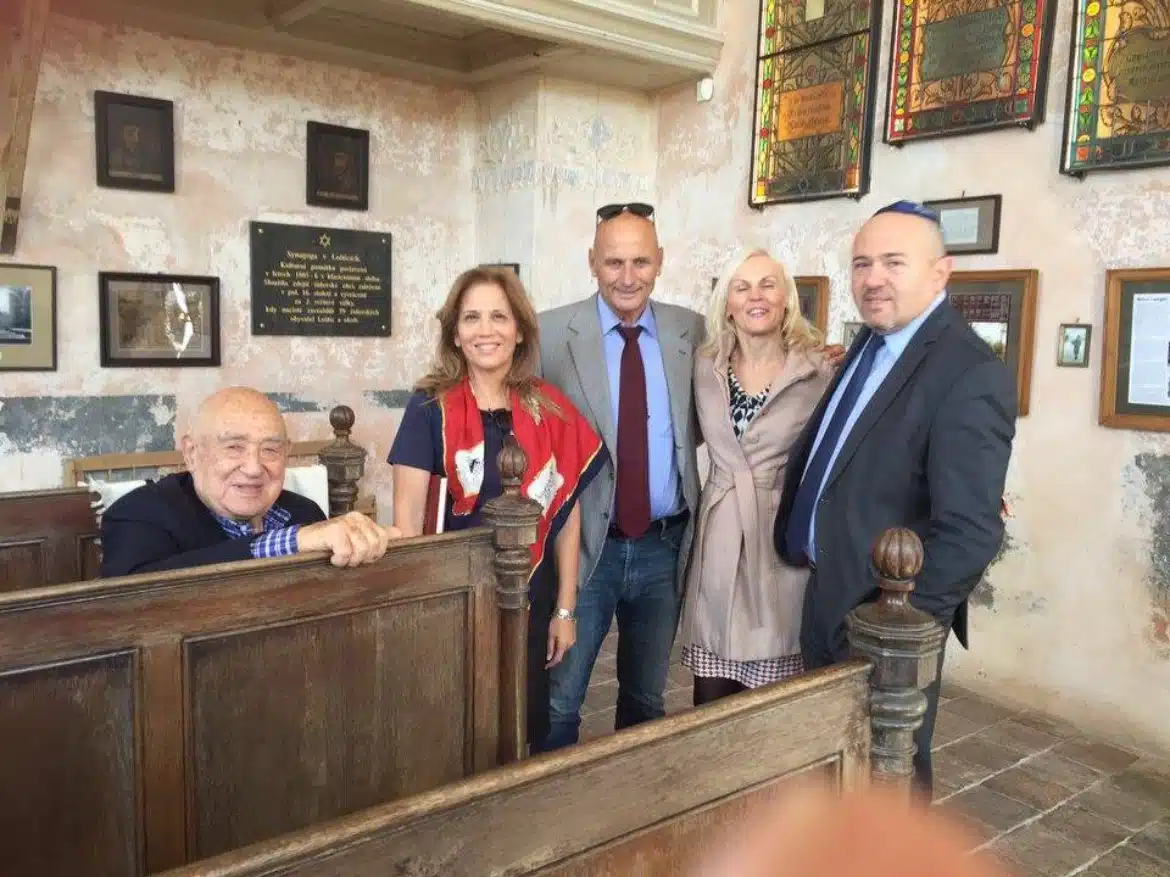
  • I worked for the renovation of the ancient synagogue in the town of Loštice,
    where she and her husband served.
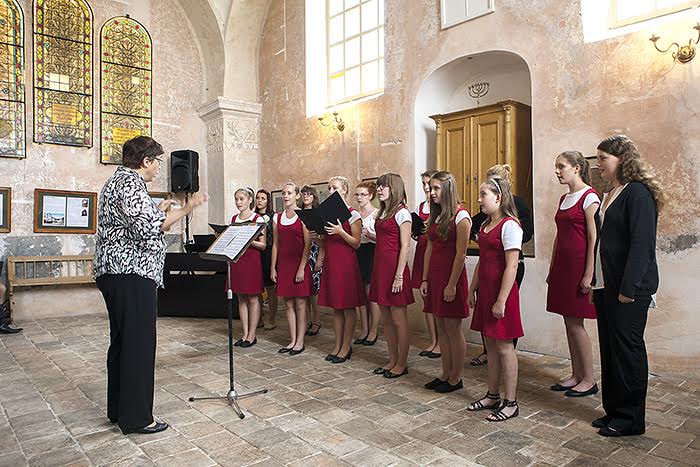
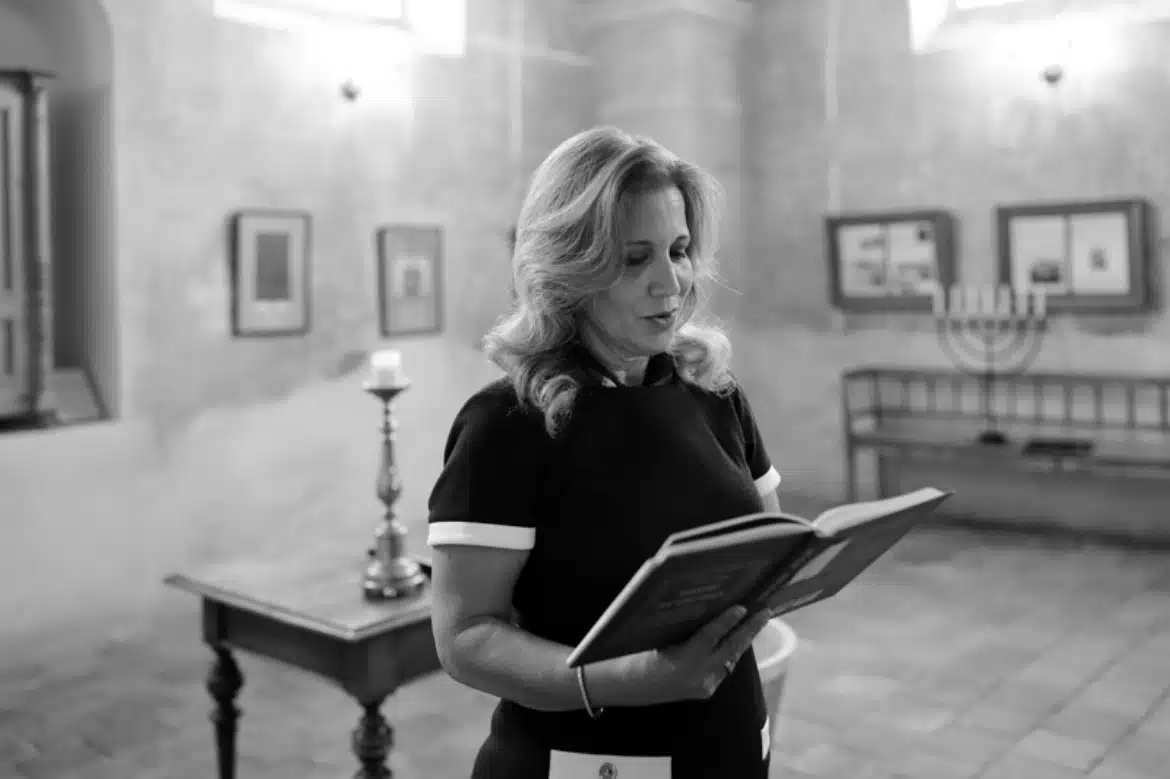
  • For the first time, I gave voice there to her prayers in Hebrew,
    foremost among them
    the mother’s prayer for her soldier son,
    which has entered the heart of Israeli culture.
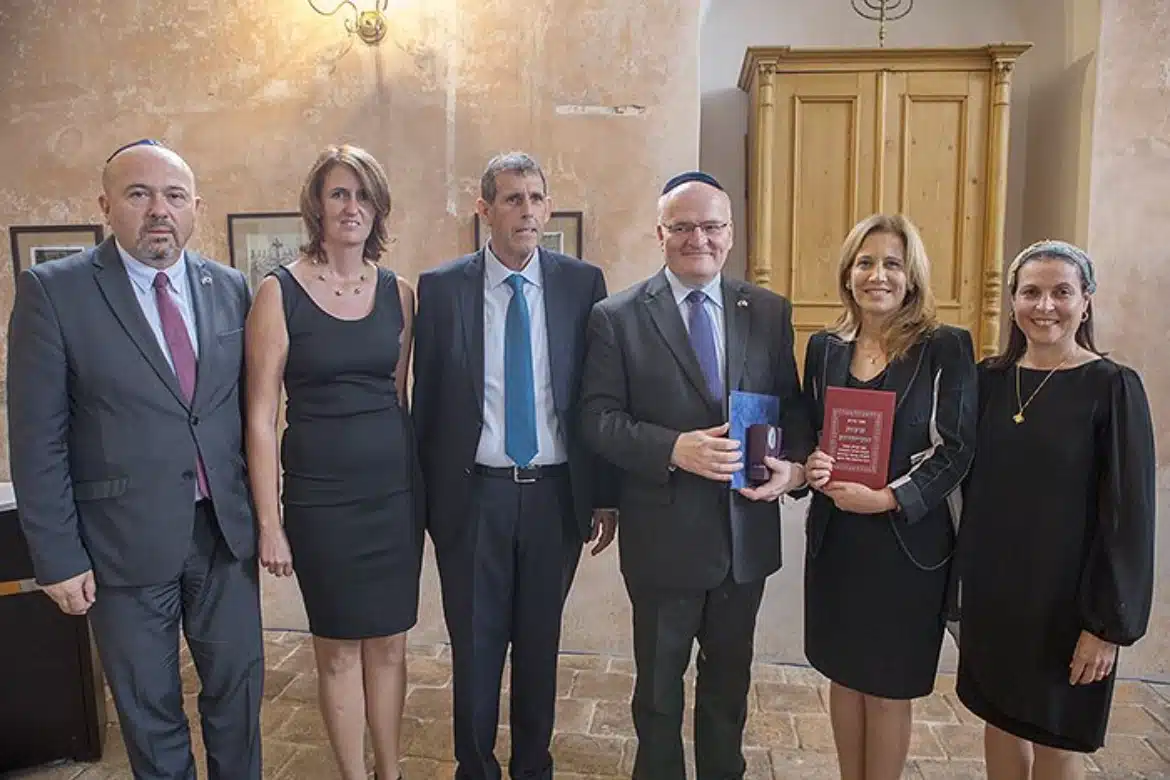
  • At an emotionally moving state ceremony with the participation
    of Czech Minister of Culture Daniel Herman, Ambassador Gary Koren,
    head of the Jewish community Petr Papoušek, Luděk Štípl,
    chairman of the Tolerance Project, the mayor, Dov Eikhvald,
    publisher of Yedioth Books, Cantor Hagit Kfir, and other dignitaries,
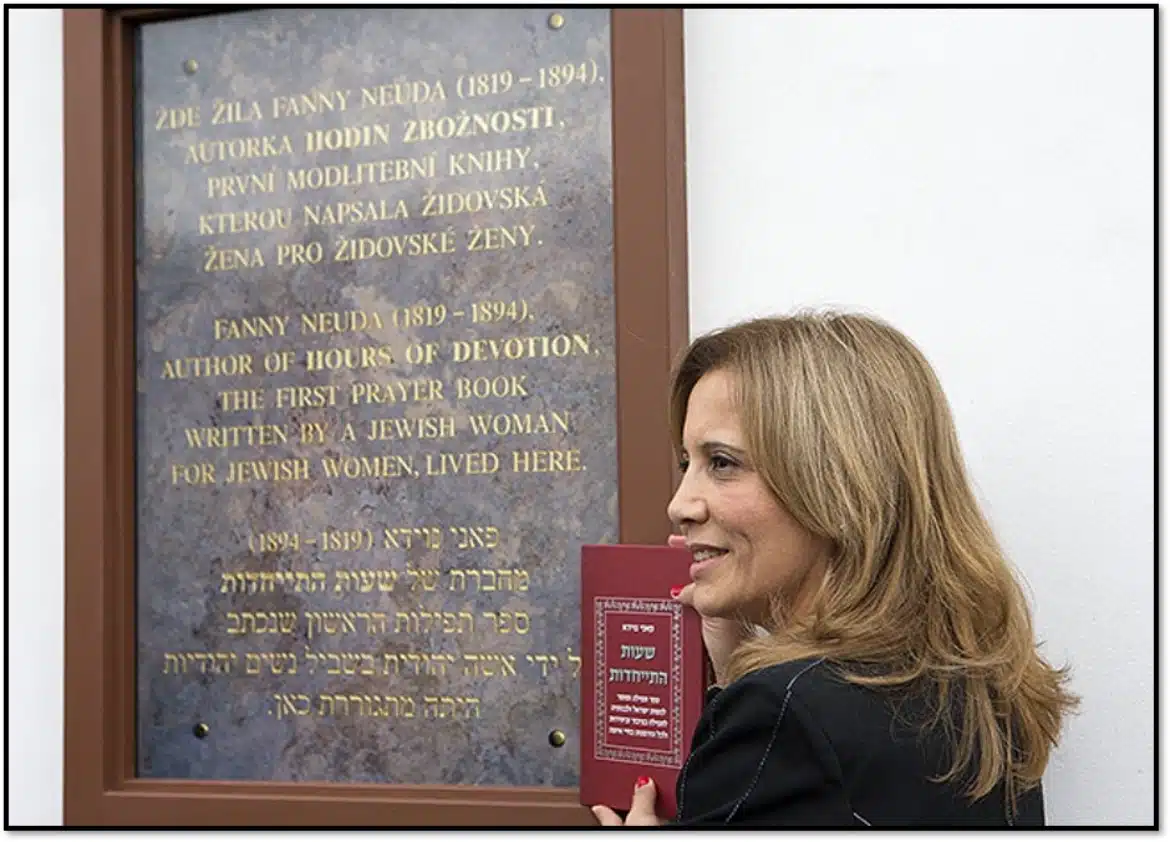
    we set a memorial plaque in three languages,
    commemorating the work of a woman forgotten
    from history but not from the hearts of women.


A Living Legacy

Fanny Neuda is a leader who taught us that prayer is not the property
of those who know secrets, but belongs to every woman.
She opened the heart, gave words to emotion, and bound prayer to life itself.
Her legacy continues to accompany us even in the 21st century.
Her prayers inspire, strengthen, and remind: a woman’s voice is a voice of prayer.

I have set for myself a goal to fulfill her hope with the help of the card kit:

That prayers born in my heart, a woman’s heart,
will find resonance in the hearts of my sisters, the women.

To purchase the book of Fanny Neuda >

More about Fanny Neuda on the website of Dr. Aliza Lavie >

On the eve of Rosh Hashanah, before the entry of the new year

Fanny Neuda, 1855 / 2014

“Bless the Lord, O my soul, and all that is within me bless His Holy name. Bless the Lord, O my soul, and forget not all His benefits”
(Psalms 103:1–2).

The day is waning, and with it the passing year reaches its end, closing before us like a sealed book, a book to which we can no longer add and from which we can no longer subtract. All that remains for us is the memory of the things we have recorded and the memory of the things recorded about us. As they come before the Holy of Holies, they will tip the scale toward merit or toward guilt.

Once more the year passes before my eyes in its shades and sights. Before me streams the river of joy, the hours and days of glee and delight in which the radiance of Your light shone upon me, in which You spread Your mercy over me, the times in which the kingdom of blessing opened before me, and life in its full splendor shone its face upon me. Before me stand hours of happiness, days of cheerfulness and purity, days of abundance and enjoyment which in Your great goodness You adorned and glorified. Blessed hours filled with joyful action, hours in which I knew my dignity and my purpose, and my heart was filled with reverence and emotion, overflowing to You with gratitude, O G-d of the heavens, who bestows from His happiness upon all humankind, with a glowing gratitude that the mouth cannot express: “Bless the Lord, O my soul, and all that is within me bless His Holy name. Bless the Lord, O my soul, and forget not all His benefits” (Psalms 103:1–2).

Yet also the darker sight, the visions of pain and suffering which You decreed upon us, stand before my eyes. Days of fear and affliction humbled me to the dust. Bitter mistakes that were my portion, difficult trials that filled my soul with sorrow and grief. Trouble and distress that clouded my vision and dulled my eyes. Heavy sorrow and suffering that constricted my heart and consumed my strength. Yet even in those dark hours, in those bitter and hard days that befell my life, You did not withhold Your love from me. While I was weary and exhausted from the path strewn with thorns and thistles, You planted comfort in my heart, renewed the strength in my limbs, and restored it to life. When all hope of help and salvation around me was gone, You stretched out Your hand to me at the right time and season. And when all deserted me, You stood by my side. Then once more the sounds of gratitude and praise returned and sang within my heart: “Bless the Lord, O my soul, and forget not all His benefits.”

Evening descends, the year that was departing from us. My G-d, Almighty One, let all the suffering and afflictions, all the worries and pains that weigh upon our lives also vanish with it. Let every illness and weakness pass away, let every quarrel and dispute come to an end, and let all hatred and evil inclination depart from us. And You, merciful and gracious G-d, forgive us for all the transgressions and sins that stain our lives and for which we stand here ashamed and humiliated, full of regret and broken in spirit.

And when the dawn sends its light upon the new year, let life step toward us clothed in a new and radiant garment, bringing upon us and upon our dear ones joy and relief, health and strength for our bodies, purity and delight for our souls, prosperity and flourishing for our children, blessed and fruitful livelihood and serenity, calm and enjoyment for our hearts, peace and tranquility for our homes and families, peace and blessing for our homeland, Amen.
(Hours of Devotion, 2014).

 

About Us | Women's Prayer Project

The “Women’s Prayer” project began two decades ago as a book that documented and collected Jewish women’s prayers throughout history. The book, which became a bestseller, revealed an entire world that had almost disappeared from our sight – a breathing and vibrant Jewish-feminine space that reflects a Jewish life story that was almost never told through conventional historical tools.

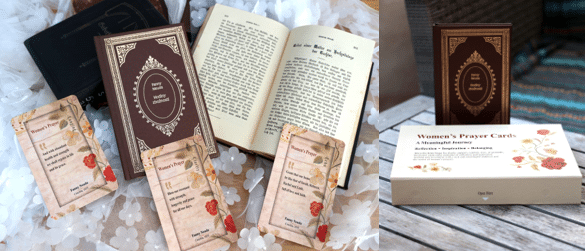
Today, marking 20 years since the book’s publication, we are proud to expand the project to a new format of prayer cards, combining the ancient prayers together with images from a stunning Judaica collection (courtesy of the William Gross Collection, photography: Arnon Barmucha).

The cards are intended for daily use, personal contemplation, family ceremonies and community activities – they invite us to return and reconnect with the rich feminine tradition that passed from mother to daughter throughout the generations.

Our Books

Women’s Prayer Cards (Tefilat Nashim) We use cookies to ensure the website functions properly and improve user experience. You can choose which types of cookies to enable.
Cookie Selection


Join us for women's prayer

A connection to the Jewish story through women’s voices
Join to receive sources, prayers, rituals and stories from the Jewish female tradition.