How the custom is observed
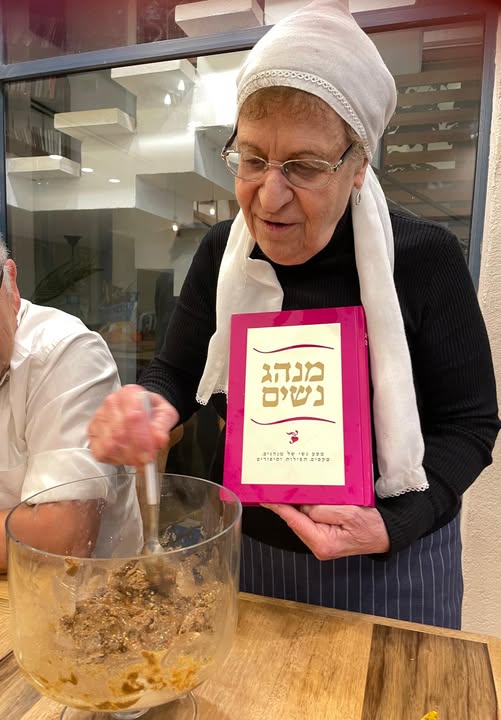
On the night of the Bsisa, all family members gather at the home of the family’s matriarch.
Bsisa is a mixture of grains and oil stirred together in a family ceremony of blessing
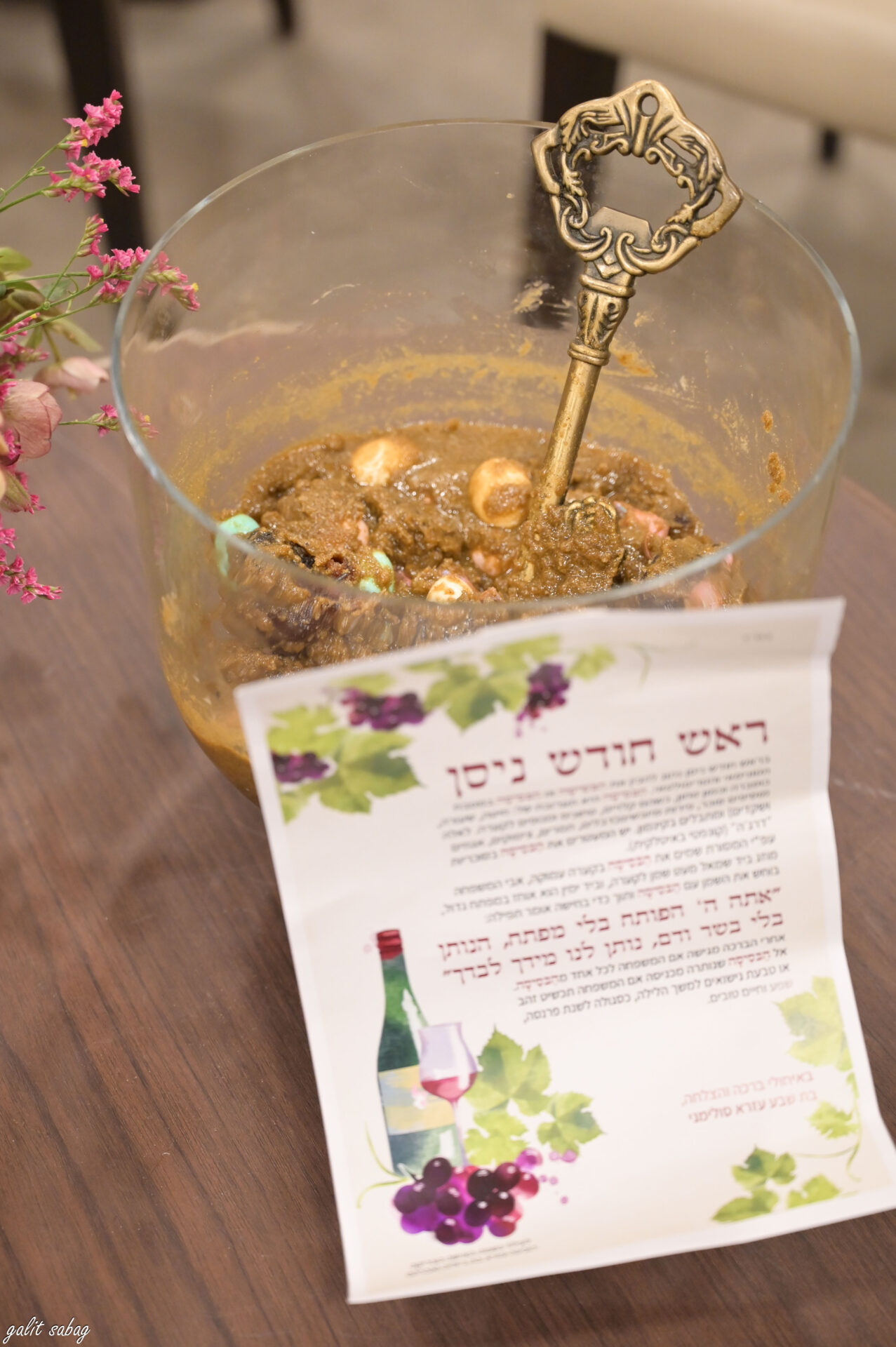
and opening the gates of abundance. The mixture usually consists of roasted and ground wheat or barley grains, with the addition of almonds, dates, sugar, and spices such as coriander and cumin. Oil is added to the mixture, and it is stirred together in a large bowl.
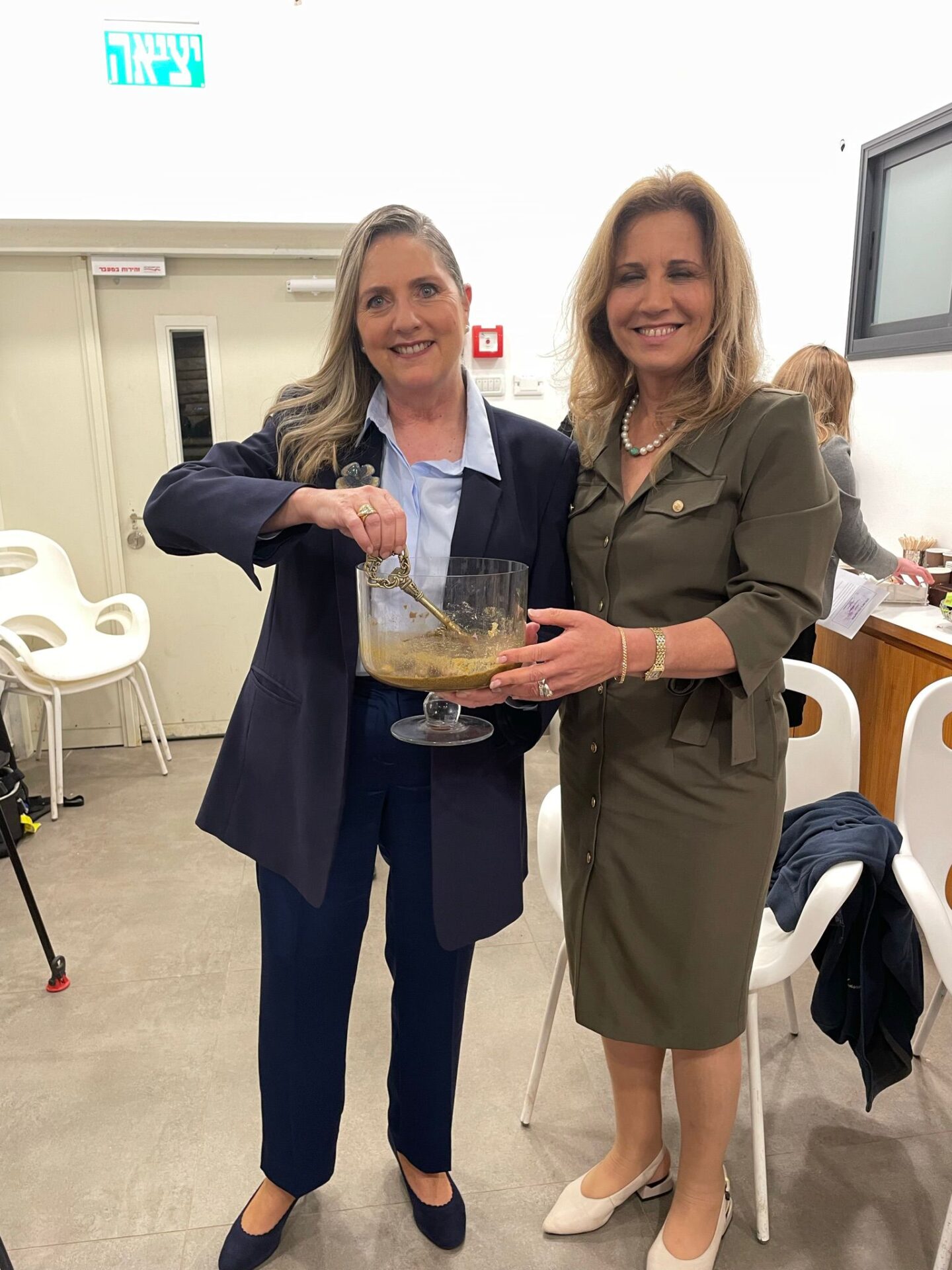
Each of the participants in turn stirs the Bsisa using a key, until the mixture becomes similar
to mortar, like “fine flour mixed with oil”. The key symbolizes opening: opening the gates
of abundance, opening the heart, and opening the path to good.
Some also place jewelry, rings, or bracelets into the Bsisa dough, as a symbol of blessing, livelihood, and abundance.
During the evening, the blessing that expresses the heart of the custom is recited:
“You, Lord, who opens everything without a key,
Who grants to all with a generous hand,
Give us of Your goodness so that we may do good to others,
And bestow Your goodness upon Israel.”
The entire evening revolves around the desire to bless and be blessed,
to achieve prosperity and share it with others.
From the testimonies
The custom has been preserved for generations primarily by women.
In my book Women’s Customs, I included the version of the Bsisa customary in the home
of my beloved mother-in-law, Dina Lavie. Since then, additional versions from family
and communal traditions have been sent to me. Each version carries with it a memory of home, community, and language, but they all share a common denominator: a prayer for abundance, unity, and good days. Dr. Hannah Ladwin, a member of the Tunisian Jewish community,
shared that her mother used to light a candle in olive oil, place wedding rings and silver coins inside it, and pray for abundance, a good marriage, and blessing.
Edna Stern, who works with dedication to restore the custom and pass it on to future generations, tells how she would prepare tens of kilograms of the Bsisa mixture every year, cleaning, sorting, roasting, grinding, and sifting, and distributing it to members of the community. In the language of Libyan Jews, they used to say: “The Bsisa gathers”:
meaning, it brings the family and the hearts together.
The ceremony has been preserved primarily among North African communities:
Libya, Tunisia, Djerba, and Algeria, and in each community, different ways of preparing the mixture and conducting the ceremony were created.
However, in all traditions, the same common foundation has been preserved:
an evening of cohesive family joy, based on blessing, a “good eye,”
and hope for a blessed year. In recent years, the Bsisa custom has been returning
to many homes in Israel.
Young families and communities are rediscovering the custom and adopting
the practice of beginning the month of Nisan with a sense of hope and belonging.