In Iran and in other Eastern countries, it was not customary to wear costumes on Purim.
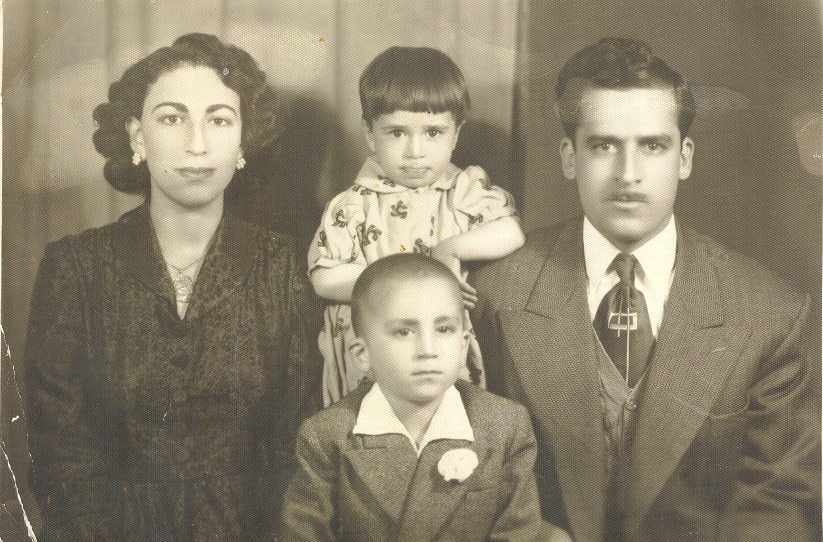
I immigrated to Israel from Iran at the age of four.
In second grade, the teacher announced a costume contest. I wanted to participate too,
but I didn’t know what to dress up as.
My mother consulted our Ashkenazi neighbor, who suggested that since my name was Esther,
I should dress up as Queen Esther, wear a beautiful white dress, and put on proper makeup.
My mother sewed a bright white dress especially for me and did my makeup according to the Iranian ideal of beauty:
red lipstick and connected eyebrows.
When I went up on stage with the other contestants, I was met with mockery and ridicule. Needless to say, I didn’t win…
That was the first and last time in my life that I participated in a costume contest.
In Persia, we children used to make a Haman doll before Purim
stuffed with rags, straw, and homemade firecrackers.
On the holiday, we would curse the doll and set it on fire with joy and song,
while the adults watched the show, seeing in the doll a symbol of all those who hated the Jews throughout the generations.
But when we came to Israel, we discovered that here people do not light bonfires on Purim,
and that Israel’s enemies are symbolically burned in bonfires on Lag BaOmer.
Of course, we eagerly adopted the new custom,
and every Lag BaOmer we would burn in our neighborhood bonfire the current, most “relevant” enemy of the State of Israel.
Written by Dr. Esther Shkalim